Building stronger relationships: conversations that develop trust
Building stronger relationships: conversations that develop trust
Why do relationships matter?
During our workshop, we explored what helps relationships grow, what gets in the way and the practical actions that can help move an important relationship forward.
Strong professional relationships rarely happen by chance. They develop through curiosity, intentional listening, understanding and purposeful action.
Three insights for building stronger relationships:
- Trust starts with understanding : strong relationships grow when we take time to understand the other person’s priorities, pressures, and perspective before jumping to solutions
- Better questions lead to better conversations: the quality of our questions often determines the quality of our relationships. Curiosity creates openness, understanding and richer dialogue
- Progress comes through small actions: relationships develop through consistent follow-up, meaningful support, and intentional next steps, not occasional grand gestures.
Our guest, David Kielty’s perspective:
“Strong relationships aren’t built just on networking alone. They’re built through repeated evidence of you listening, being honest, keeping your word, and supporting people when it matters…”
David Kielty, Head of Support Operations, System C
Five questions that can help move a relationship forward:
Choose one relationship that matters.
Before your next conversation, consider:
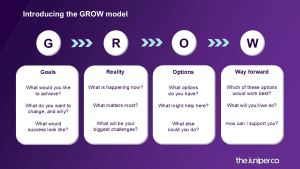
G — Goals: what would success look like in six months?
R — Reality: what matters most right now?
O — Options: what options do you have and how might I support you?
W — Way forward: what will you, I or we do next?
Afterwards: What one action will move this relationship forward now?
“I think sincerity and honesty are the basic items. If you have those two in place, then people are able to actually tell you, okay, this didn’t go well.”
Coert van Calcar, workshop participant
“I will think more in terms of what I can give in the meantime, rather than asking [for something from them].”
Nicolay Verbraeken, workshop participant